
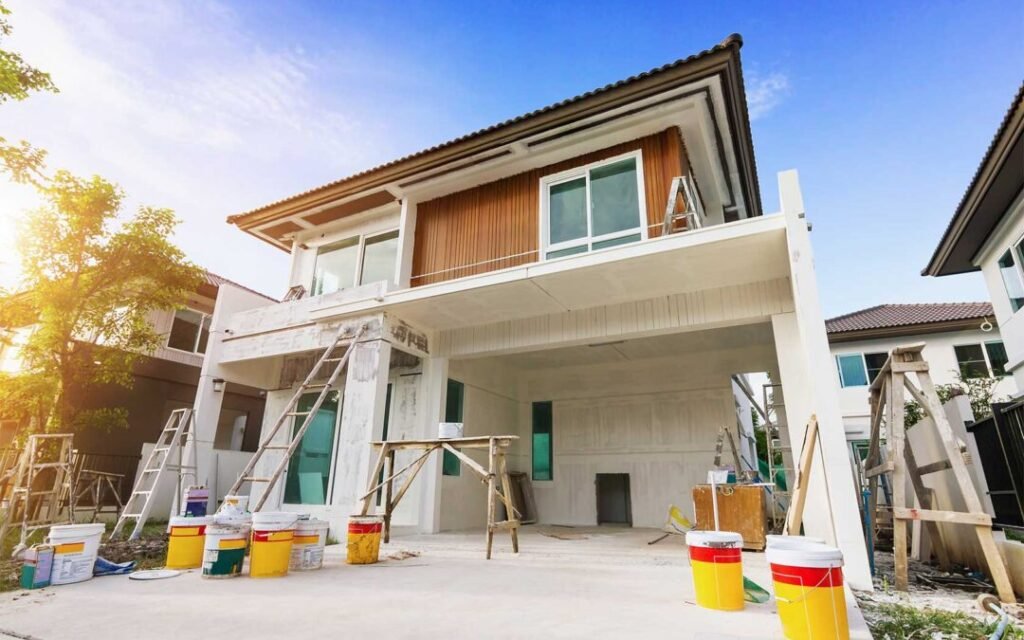
Home renovation and upgrades can be expensive, but the good news is that several home improvement grants are available to help homeowners fund their projects. If you’re wondering, “What are the top home improvement grants?” — you’re not alone. Many homeowners search for financial assistance to make necessary repairs, enhance energy efficiency, or upgrade their living spaces. Additionally, partnering with professional home improvement contractors ensures that your projects meet safety standards and increase your home’s value.
In this comprehensive 700-word article, we’ll explore what are the top home improvement grants, how to qualify for them, and why working with expert home improvement contractors can make a huge difference in the outcome of your renovation projects.
Understanding Home Improvement Grants
Before diving into what are the top home improvement grants, it’s important to understand what a grant is. A home improvement grant is financial assistance provided by government agencies, nonprofits, or private organizations to help homeowners repair or improve their properties. Unlike loans, grants do not need to be repaid, making them a great option for low- and moderate-income homeowners.
These grants can be used for various purposes — fixing roofs, updating plumbing, enhancing insulation, or making homes more accessible for seniors and people with disabilities. Many programs also promote energy efficiency by funding solar panels, weatherproofing, and energy-efficient windows.
What Are the Top Home Improvement Grants?
When people ask “What are the top home improvement grants?”, they’re usually looking for trusted programs that provide real financial help. Here are some of the most popular and reliable options:
1. HUD Title 1 Property Improvement Loan Program
Although technically a loan, this U.S. Department of Housing and Urban Development (HUD) program works like a grant for many homeowners. It provides affordable financing options for repairs and improvements that make homes safer and more livable.
2. USDA Single Family Housing Repair Grants
Also known as the Section 504 Home Repair Program, this grant helps low-income homeowners in rural areas repair, modernize, or improve their homes. Elderly homeowners (age 62 or older) can receive up to $10,000 in grants to remove health and safety hazards.
3. Weatherization Assistance Program (WAP)
This federal program helps low-income families reduce energy costs by improving home energy efficiency. The funds can cover insulation, HVAC upgrades, and window replacements.
4. Home Investment Partnerships Program (HOME)
Funded by HUD, the HOME program provides grants to state and local governments, which then distribute them to homeowners. These funds are often used to rehabilitate or improve affordable housing.
5. VA Specially Adapted Housing (SAH) Grant
This program helps veterans with service-connected disabilities modify or build homes to fit their needs. For instance, grants can fund wheelchair ramps, widened doorways, or accessible bathrooms.
6. Local and State Government Grants
Many states and municipalities offer their own home improvement grants. To find these, check with your local housing department or city website. Searching “what are the top home improvement grants in my area” can reveal localized opportunities.
Role of Home Improvement Contractors
Once you secure funding, the next crucial step is hiring reliable home improvement contractors. These professionals ensure your renovation projects are completed safely, efficiently, and in compliance with local building codes.
Working with skilled home improvement contractors can make all the difference. They have the expertise to evaluate the scope of your project, recommend cost-effective materials, and manage labor efficiently. Whether you’re repairing a roof, upgrading a kitchen, or installing new flooring, professional home improvement contractors can save you time and money by avoiding costly mistakes.
How to Choose the Right Home Improvement Contractors
Selecting the best home improvement contractors requires careful consideration. Here are a few tips:
-
Check Credentials: Ensure the contractor is licensed, bonded, and insured.
-
Review Past Work: Look at reviews, references, and examples of previous projects.
-
Get Multiple Quotes: Compare estimates to find a balance between cost and quality.
-
Understand the Contract: Read the agreement carefully to avoid hidden fees or unclear terms.
Hiring trustworthy home improvement contractors gives you peace of mind that your investment is in good hands and that all grant requirements are properly met.
Combining Grants and Professional Expertise
Now that you know what are the top home improvement grants, it’s essential to use those funds wisely. By pairing financial assistance with experienced home improvement contractors, homeowners can achieve top-quality results that last. For example, if you receive a grant for energy efficiency, your contractor can recommend modern materials and systems that enhance long-term savings.
Combining home improvement grants and professional labor ensures that every dollar is spent strategically — increasing property value, comfort, and safety.
Conclusion
if you’ve ever asked “What are the top home improvement grants?” you now know that several programs can help make your home safer, more comfortable, and more energy-efficient. From federal options like the USDA and VA grants to local government initiatives, these programs provide real opportunities for financial relief.